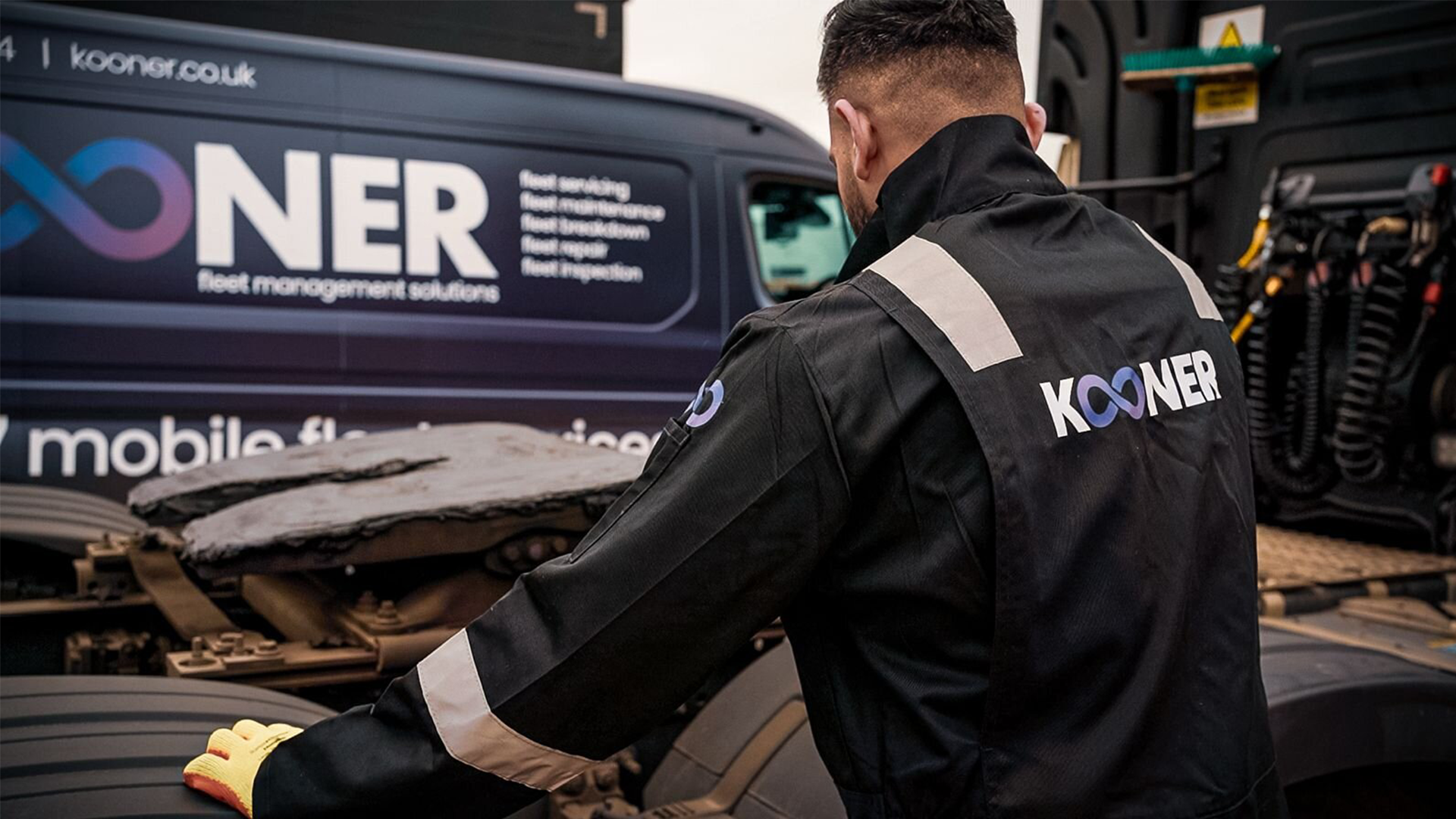

As a leading truck management company, we know DVSA inspections can occur at any time, whether at a roadside check or at your operating centre. Examiners simply want to ensure your vehicles are roadworthy and your safety documentation is easily accessible.
Through mobile fleet maintenance, safety-critical components such as brakes, tyres, steering, and lights are regularly inspected to guarantee full roadworthiness.
Examiners will inspect your maintenance systems to verify that scheduled safety checks are consistently performed and documented.
Any reported defects must be actioned, signed off, and archived for at least 15 months to provide a clear compliance record.
Work orders tend to be the tattletales of a frustrated maintenance system, which is why having reliable fleet maintenance solutions in place is essential for keeping clean records.
The DVSA Guide to Maintaining Roadworthiness explains: 'Records of safety inspections, defect reports completed by drivers and any subsequent repair work must be kept for at least 15 months. This includes records of defects found, the checks undertaken and the repair work.'
Nil-defect reports. While the guidance suggests keeping these for three months or so, they are still useful in showing that inspections have taken place despite there being no faults.
Records can be stored electronically or on paper as long as they include the necessary information and are available for reference if necessary.
As a matter of course, if an inspection report flags a defect, it must be accompanied by a record detailing the subsequent repairs. Omitting that detail can create doubt about whether the issue was properly resolved.
Detection of a defect does not necessarily indicate a maintenance system has failed. It is what the operator does with the information that is important.
Faults can range from minor issues to critical safety hazards that render the vehicle unsafe to drive. The urgency and level of response should match the severity of the problem.
Having a defect alone does not mean that a roadside examiner will place the vehicle under a prohibition or an inspection notice. An inspection notice or a prohibition can be issued by a roadside examiner once a defect is discovered, depending on the specific condition and extent of the defect. A prohibition can stop the vehicle from being used until the work needed to fix the defect can be completed.
To stay compliant, fleet operators should maintain a clear process for handling reported defects:
Verify that the vehicle is fully roadworthy before returning it to service.
It is also worth thinking about how the individual vehicle is being used. If the same problem is recurring fleet-wide, you may need to review the maintenance plan, inspection intervals or even the use of the vehicle.
Another critical area to monitor is your Operator Compliance Risk Score (OCRS).
The DVSA uses the OCRS system to identify operators who may be at a higher risk of non-compliance. It calculates scores across roadworthiness, traffic enforcement, and an overall combined risk factor.
This score is calculated over a rolling three-year period. More serious defects or offences add higher points to your score, while older incidents gradually carry less weight.
Operators are positioned into bands of lower to higher risk (from green to red). There is a blue band for DVSA Earned Recognition operators.
Your OCRS check can also identify common issues. Where a fleet has had prohibitions, failed inspections more than once or other adverse results, it is worth looking into the root causes rather than just picking up one at a time.
Checking your OCRS should be a standard part of routine compliance operations, rather than an afterthought triggered by an upcoming DVSA visit.
There is little benefit in creating a maintenance plan that doesn't reflect your fleet's actual usage.
Inspection frequencies should vary based on operational demands. A high-mileage long-haul vehicle requires a different schedule than one operating locally or remaining on site. Factors to evaluate include annual mileage, vehicle age, working environments, and historical maintenance performance.
The DVSA advises scheduling safety checks over the course of a year, or ideally with a live programme giving an overview of what's coming up a few months down the road.
This is especially critical for companies operating more than one vehicle or multiple locations. If there isn't a set schedule, inspections may be overlooked when the vehicle is out of service, the driver isn't present or there is a change in dispatch priorities.
On site mobile fleet maintenance can also enable scheduled servicing and appropriate repairs to be more readily scheduled. Work can be scheduled for a location such as a depot or operating site where vehicles currently are rather than having to transfer them elsewhere for servicing.
Additionally, out-of-hours maintenance provides essential flexibility for businesses operating outside standard working hours.
For example, some fleet operators employ an external workshop to complete the inspection and maintenance work. It can be a convenient choice for companies that lack their own workshop space and the necessary equipment.
However, outsourcing maintenance will not exempt the operator from the vehicle's roadworthiness compliance responsibilities.
Service agreements should be clear and straightforward. Operators must establish who handles each task, how defects are reported, where records are stored, and how completed repairs are verified.
Regularly auditing work quality is equally essential. True compliance assurance comes from detailed, accurate inspection and repair documentation, not just an invoice or service confirmation.
Good maintenance should make it a lot easier to plan upcoming work, manage faults and understand the health of the fleet.
DVSA compliance is not simply an issue for a business that operates a fleet of HGVs.
Light commercial vehicles require adequate servicing and repairs, audits and procedures to report any defects. The precise legal obligations can vary depending on the type and weight of vehicles, and how they are used, so make sure your business understands the requirements.
This is particularly vital for last-mile delivery operators. Delivery vans frequently undergo multiple stops daily, navigate congested urban centres, and run on tight operational schedules.
"If a delivery is late multiple times to save on maintenance, the issue becomes harder and more expensive to fix."
A specific last mile fleet maintenance programme would need to factor in delivery timeframes, vehicle utilisation, and the window of time between shifts. Frequent patrols and mobile fleet repair services can assist operators in balancing these challenges while maintaining safety and serviceability.
The optimum moment to get ready for a DVSA inspection is well before anybody turns up.
This isn't about hours spent reviewing paperwork each morning. It's about processes in place that people understand and follow.
Drivers know how to do their walkaround and who to report any defects to. Managers can see when inspections are due and track which repairs are still open. Maintenance providers see what is due and confirm when work has been done.
If any of these questions can be answered with confidence, then there will be far less panicking if a DVSA visit does happen to occur.
Keeping a commercial fleet compliant takes consistent attention, especially when managing fleet servicing that West Midlands operators rely on. Inspections need to happen on time, faults need to be addressed, and vehicles need to be ready for work.
Kooner Fleet Management Solutions UK supports commercial fleet operators across the region with a fleet maintenance service West Midlands businesses count on, including preventative fleet maintenance, mobile fleet repairs, vehicle inspections, and compliance support.
Whether a business runs a small group of delivery vans or a larger commercial fleet, having a dependable maintenance arrangement can make it easier to manage vehicle condition and keep records in order. Get in touch today!